Organic & biodynamic agriculture
A Philosophy Inherited
Viticultural practices at Clos du Caillou were initiated by Claude Pouizin in the early 1950s, including regular plowing and the use of organic composts.
Since then, we have strived to adopt healthy agricultural methods.
It was Jean-Denis Vacheron who first introduced organic farming practices, with certification officially granted for the 2010 vintage.
In this spirit, we committed to biodynamic farming in 2007.
This approach allows us to produce high-quality food by enriching our soils. Given that nature has become degraded, it can no longer manage itself.
It is therefore necessary to restore vitality to the soil.
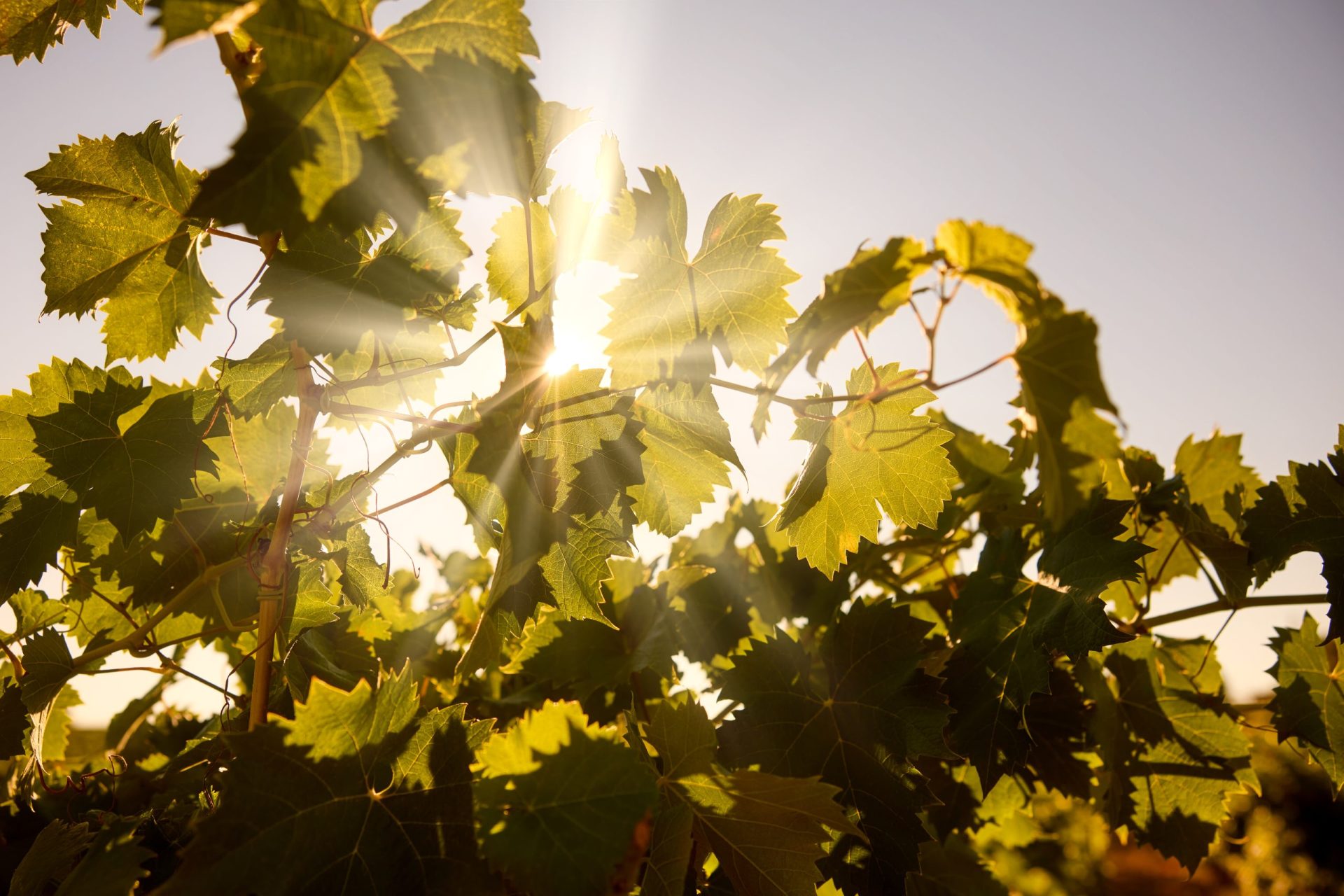
These practices have rejuvenated our vines through the use of preparations such as horn manure and silica, which are dynamized and sprayed in our vineyards following the rhythms of nature and the cosmos.
Horn manure compost (known as Preparation 500), a true stimulator of soil life, is applied in the evening at the end of winter.
Silica (Preparation 501) regulates the vegetative growth of the plant and is applied on a spring morning at dusk.
The use of dynamized herbal teas has also helped us care for our vines.
Preserving Our Terroirs
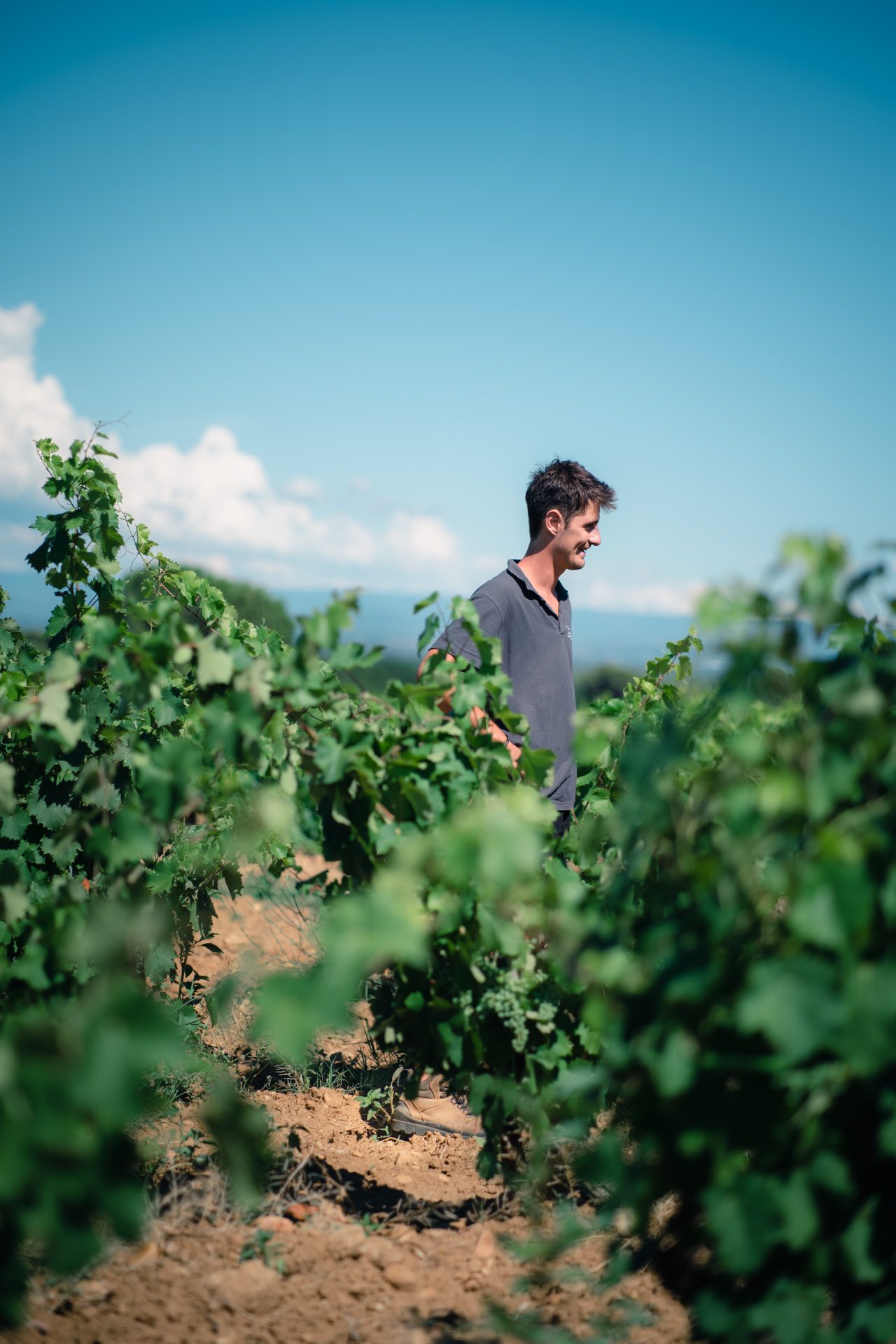
From the very first step into the vineyard, it was clear to the Vacheron family that the entire estate should be converted to Organic and Biodynamic farming—practices already in place at Clos du Caillou since 2007.
Taking over the reins of the property, the Vacheron family made it a priority to preserve this magical place, shaped like an amphitheater around the estate, composed not only of vines but also lavender, cypress, and olive trees, maintaining a rich biological life within the soils.
This exceptional site is a true mosaic of terroirs, featuring sandy soils, safres, clay, and rolled pebbles, whose respective balance we are committed to preserving.
Organic and biodynamic farming help maintain vitality and energy in our soils, supporting our vines to achieve the best possible balance.
Soil work and cover crops (rye, oats, vetch) mark the rhythm of our agricultural year.
The Art of Wine
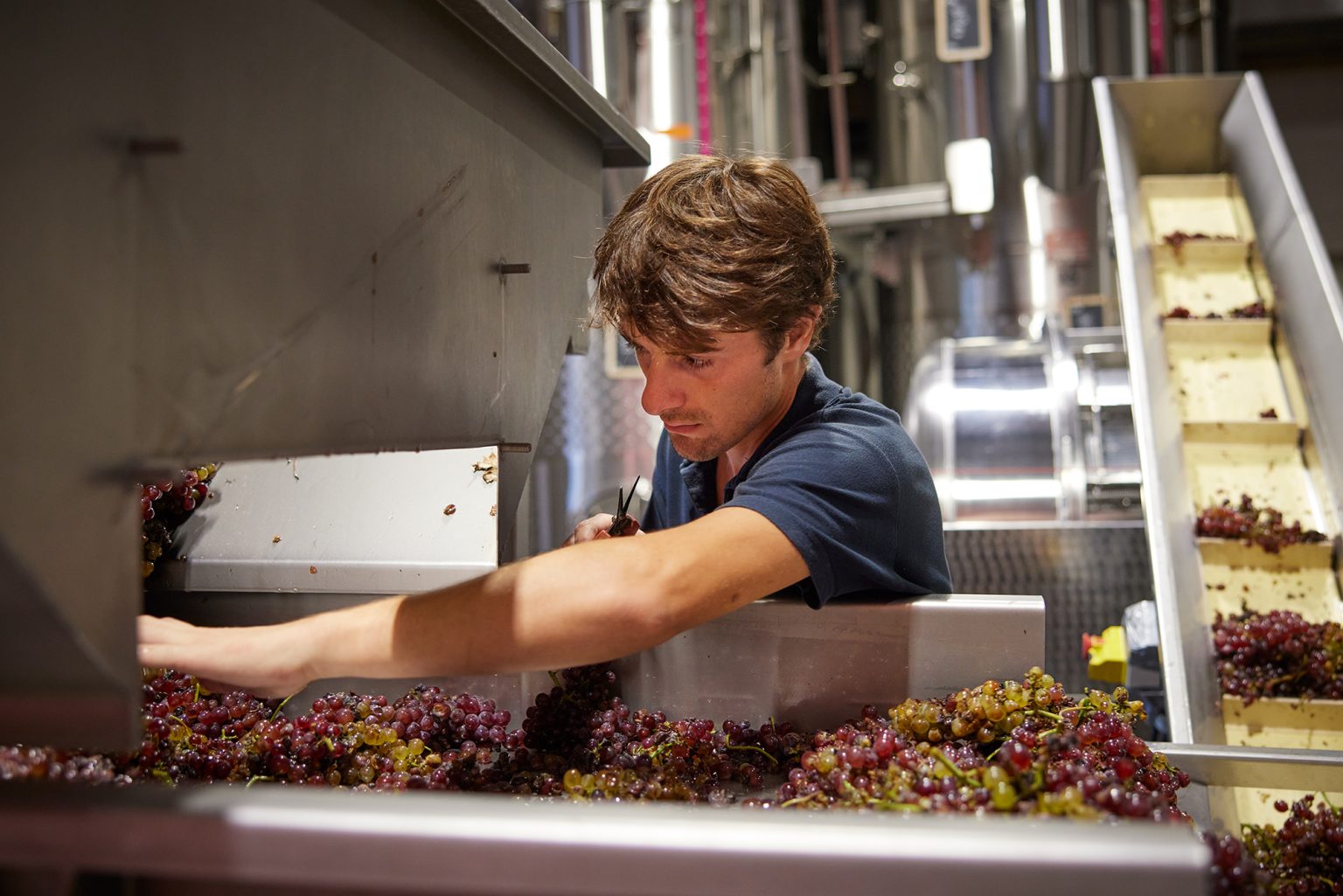
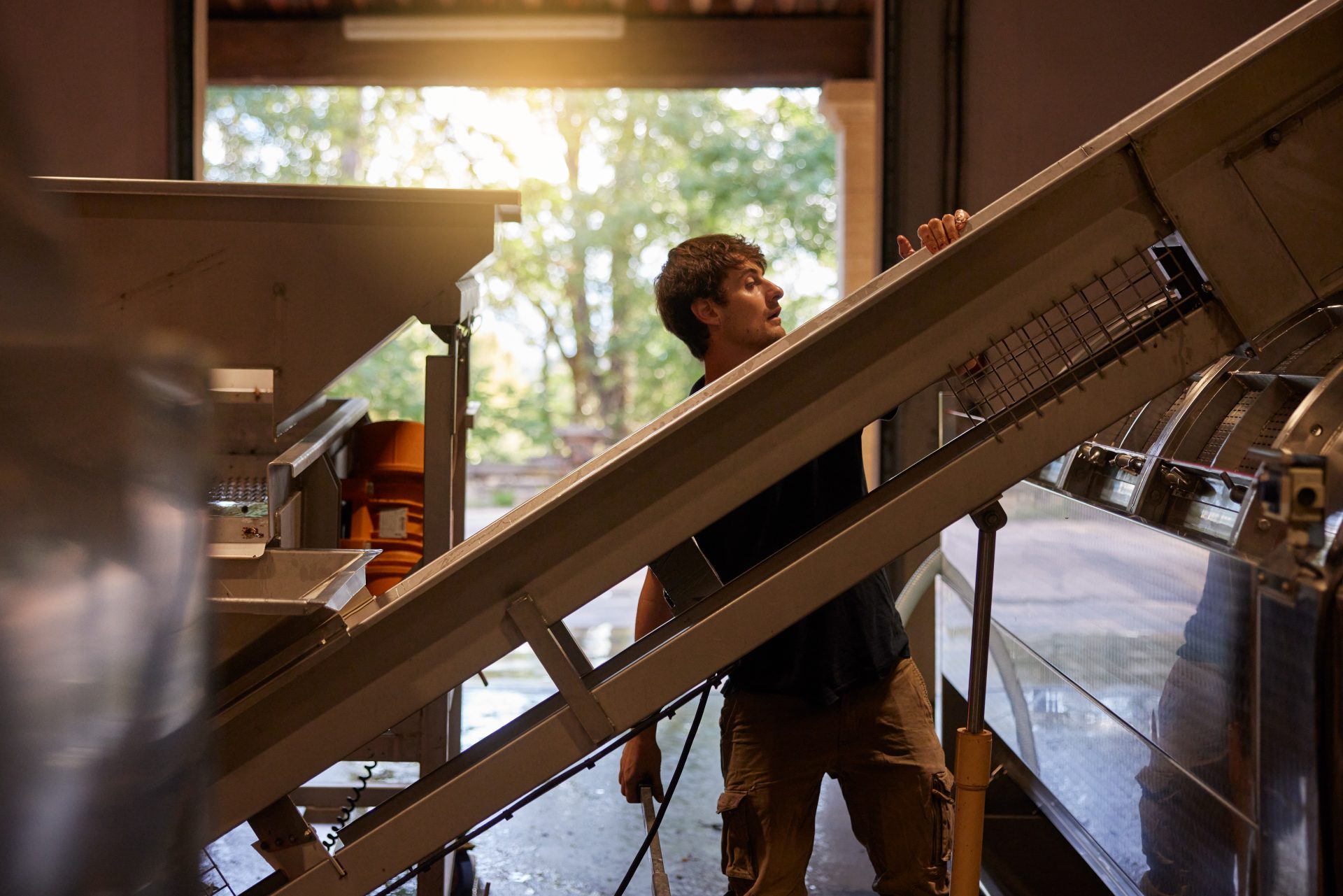
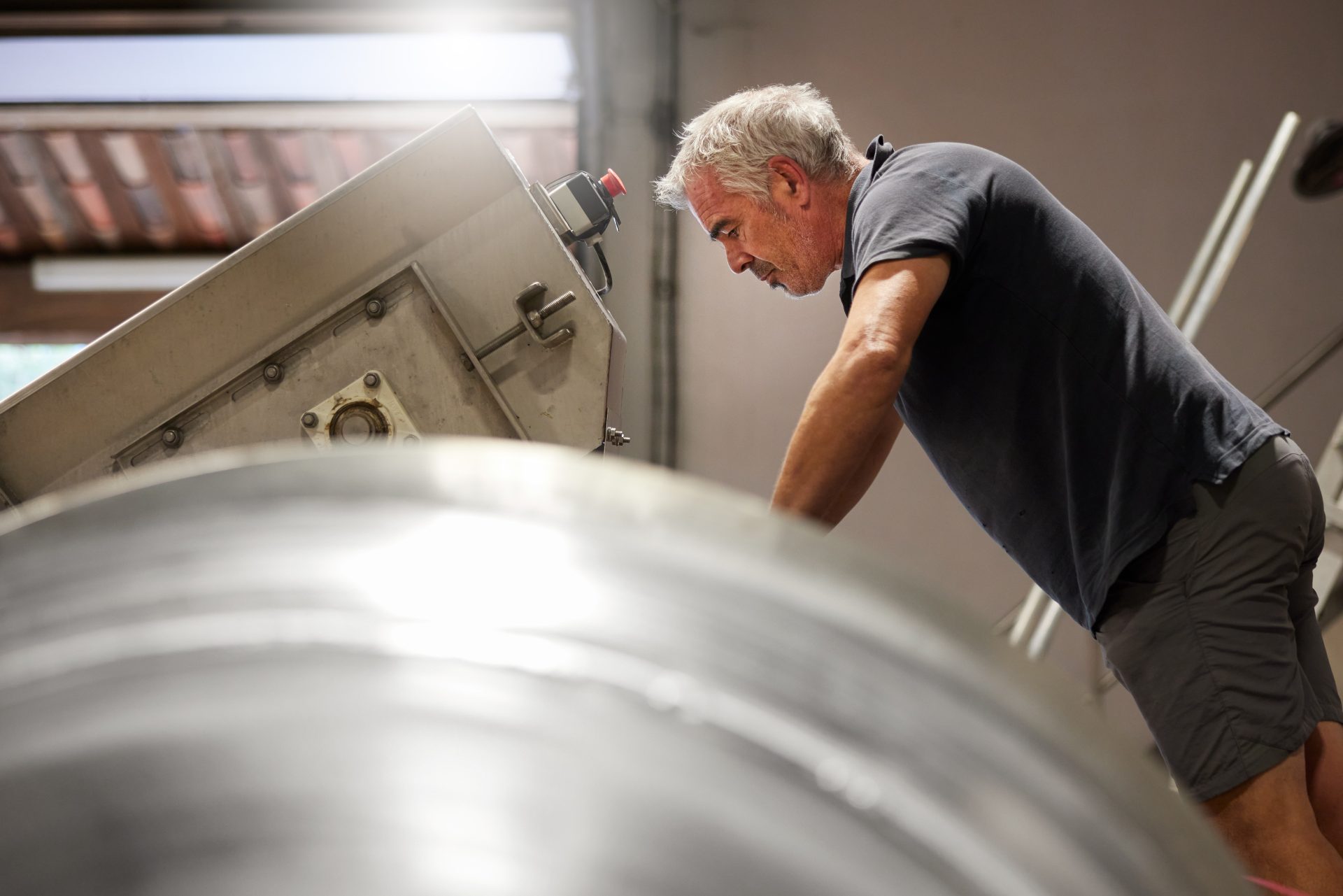
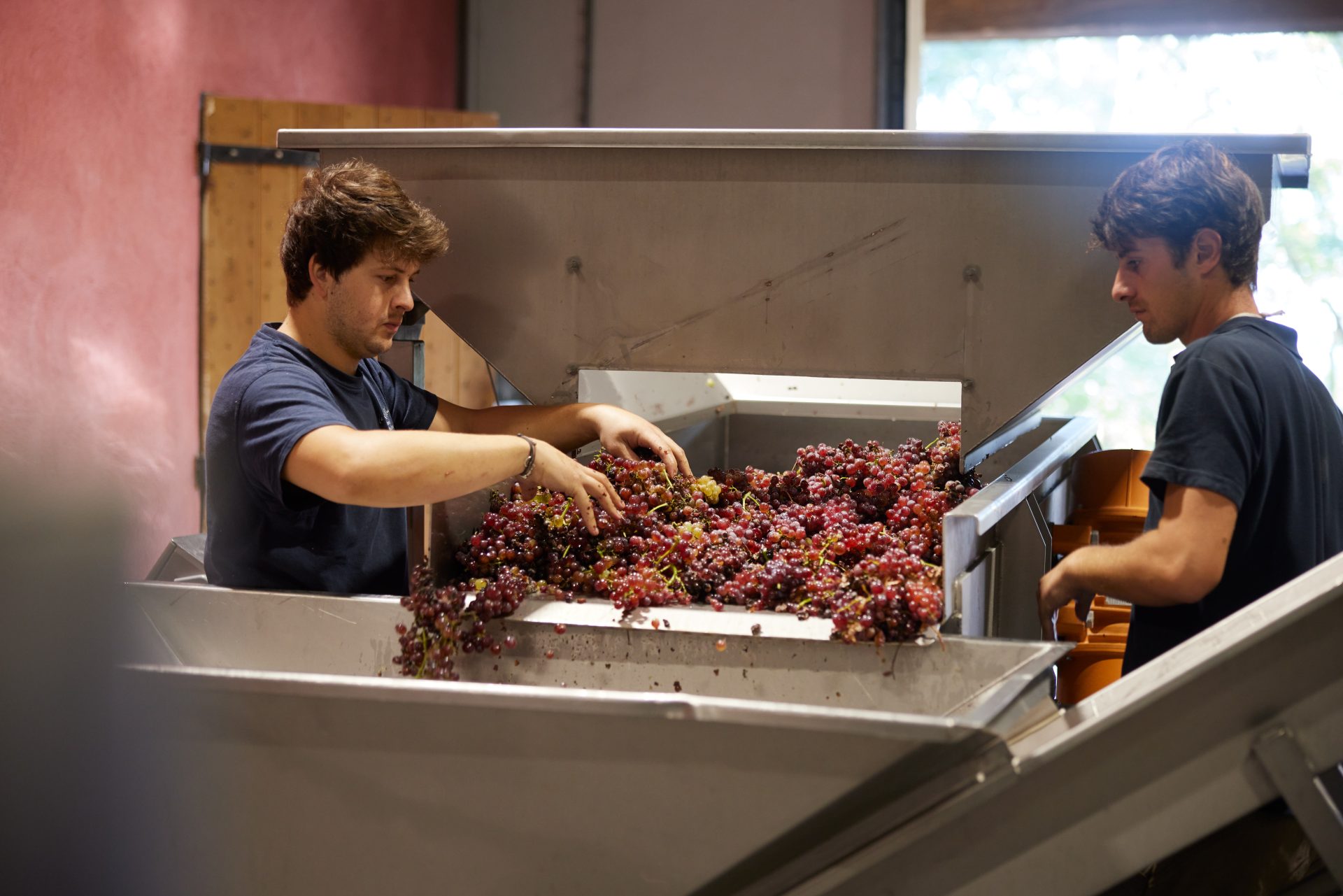
Hand-harvested with the utmost care and gently placed in crates, the grapes are then transported to the Clos du Caillou winery, where they begin their meticulous vinification process.
Every detail of the winemaking is carefully attended to, reflecting precise and painstaking expertise.
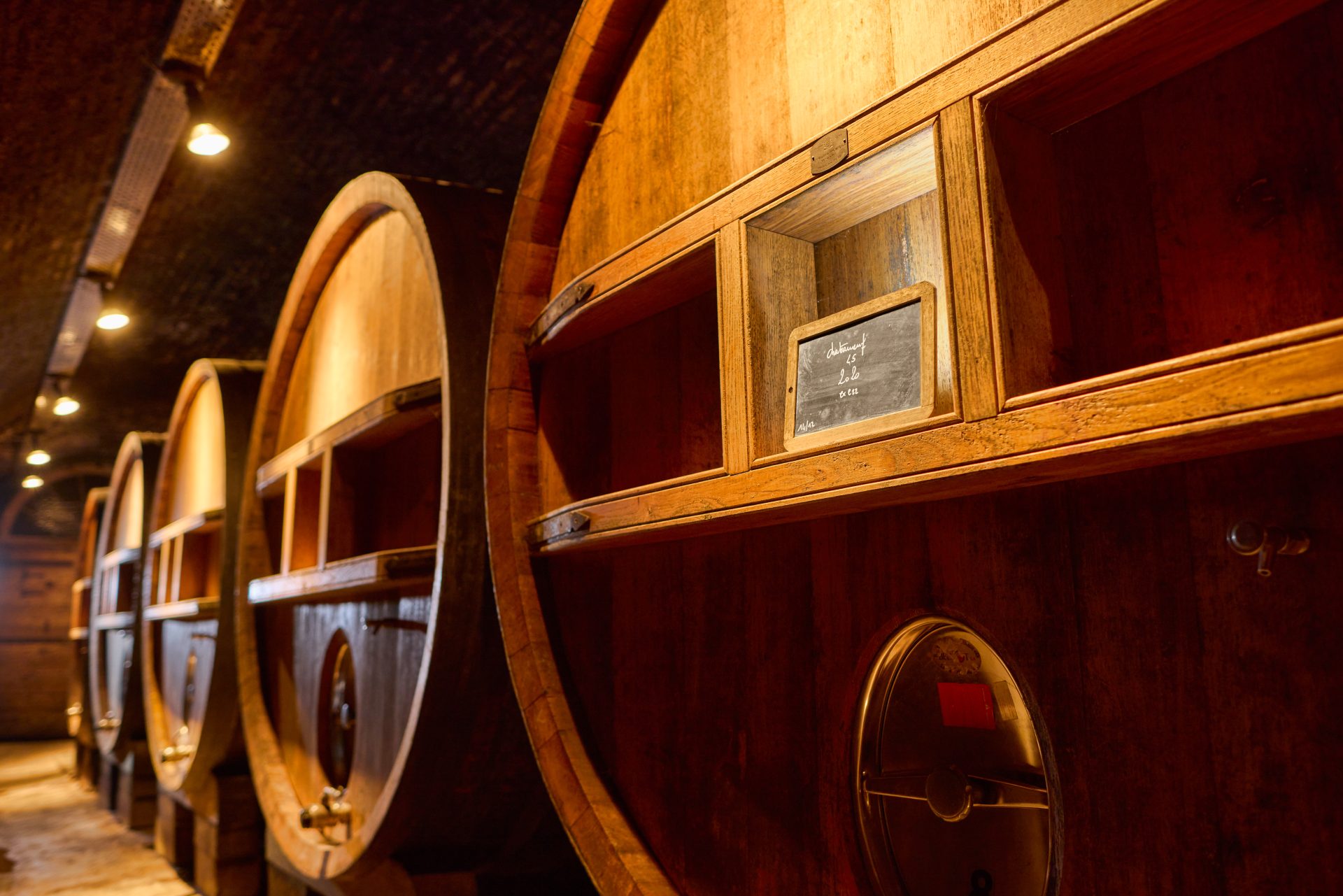
Both cuvées are then carefully aged for 15 months in demi-muids and oak barrels, sheltered in the underground cellars of Clos du Caillou, allowing them to reveal their full complexity and elegance.
Vinification: Freshness and Elegance
Hand-harvested with the utmost care and gently placed in crates, the grapes are then transported to the Clos du Caillou winery, where they begin their meticulous vinification process.
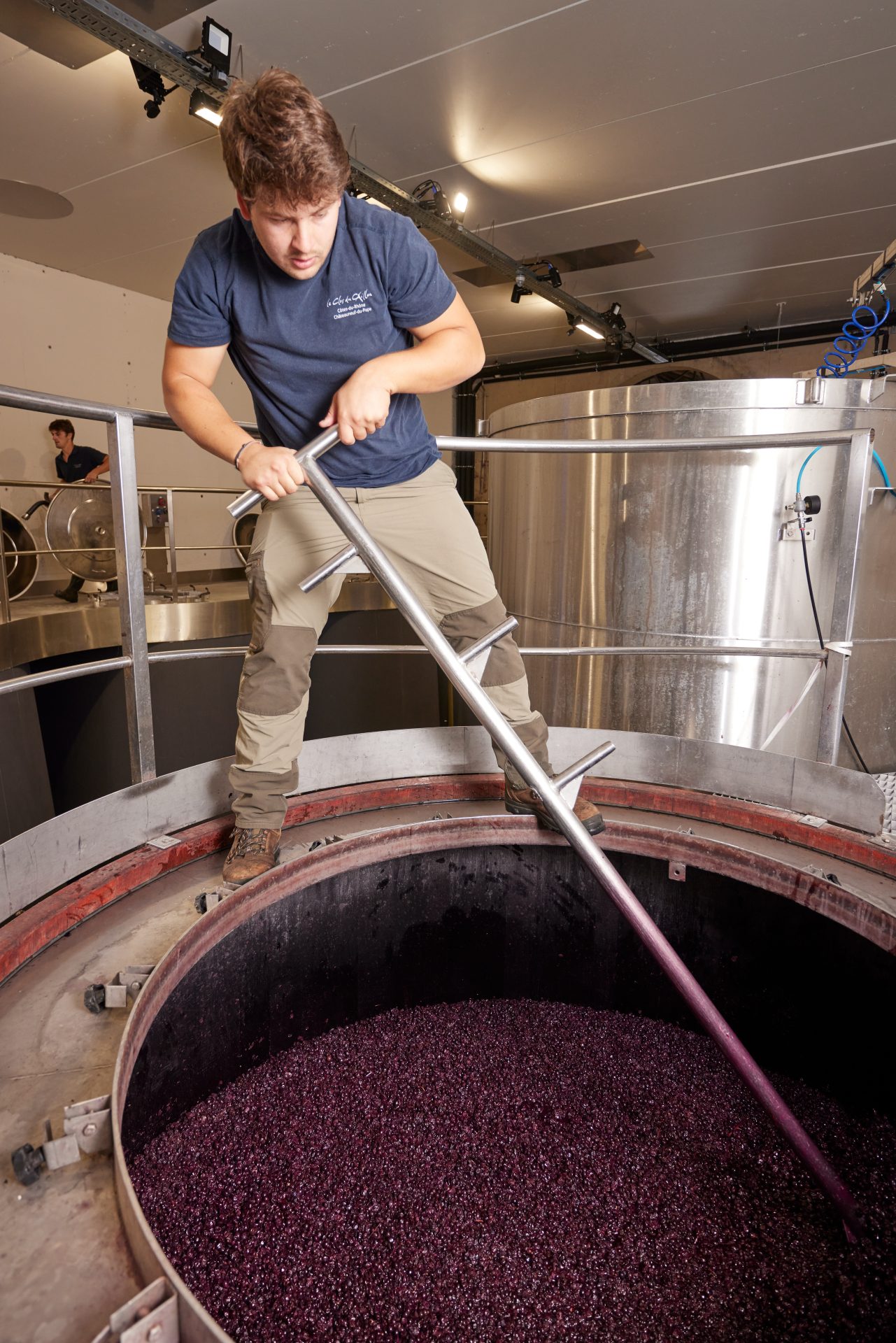
Exceptional attention is paid to every detail of winemaking, reflecting precise and meticulous expertise. Our red wines are vinified as simply and naturally as possible, in concrete vats that promote freshness and fruit expression, allowing the true character of our terroirs to shine through.
The onset of fermentation is carefully guided by the valuable presence of indigenous yeasts naturally found in our vineyard, bringing out the unique typicity of our terroirs.
Ageing: Complexity and Finesse
Our cuvées are then carefully aged for 15 months in demi-muids and oak barrels, sheltered in the underground cellar of Clos du Caillou, built at the end of the 19th century, allowing them to reveal their full complexity and elegance.
The 2020 vintage is the first to be vinified by the Vacheron family and the Clos du Caillou team.
Both cuvées are available for tasting at the Clos du Caillou Tasting Room, a place rich in history and perfect for discovering the spirit and philosophy of the team.